REASONS NOT TO MOVE TO TEXAS
There is an inflow of people and large enterprises relocating to Texas. Housing affordability, strong business rules, and no corporation or individual income taxes are the three main reasons for the exodus to Texas.
However, not everyone is favorable of Texas living. The following are some of the reasons NOT to relocate to Texas:
- WEATHER CONDITIONS IN TEXAS
Texas’s huge size, along with its placement at the crossroads of numerous climate zones, results in highly varied weather.
Snow falls and hail storms are frequently in West Texas during the winter, once or twice a year in North Texas, and once or twice every few years in Central and East Texas.
The seasons of spring and fall are extremely brief.
Thunderstorms are common in Texas, particularly in the state’s east and north. Here are a few of the most damaging hurricanes in US history that have struck Texas. Hurricane Galveston in 1900 killed 8,000 or possibly 12,000 making it the deadliest natural disaster in U.S. history. Hurricane Harvey in 2017 which stayed for a very long time on land resulted in catastrophic flooding in the Greater Houston area and surrounding counties. The most costly storm in history, with about $198 billion worth of damage. Other devastating hurricanes happened in Texas over the years.
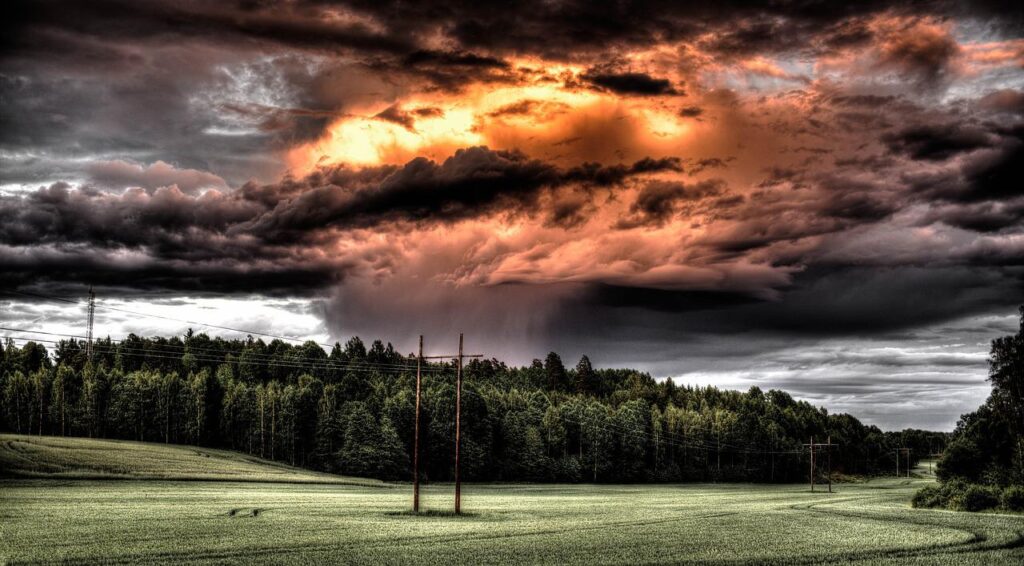
The most number of tornadoes happen in Texas averaging 139 per year. The northern section of Texas mostly is Tornado Alley, meaning tornadoes happen there. If the news is saying “tornado warning”, it means a tornado is started happening and you need to find shelter. In 2018, six tornadoes happened in Texas. Learning to be safe and learning to be safe quickly in Texas living.
But most areas of Texas living experience an extremely long summer and it is extremely hot and humid, especially in August. Summer months temperatures are from the 80s °F (26 °C) to around 100 °F (38 °C), and most areas have high temperatures in the 90 °F (32 °C) range. In July 2018, the temperature in some central Texas cities set a record high of 140 °F according to the National Weather Service.
- CRIME, LAW, AND JUSTICE SYSTEM OF TEXAS LIVING
According to Wallethub’s Most Dangerous States in 2022, out of the 50 US states which were compared to 53 indicators, Texas is the fifth-most dangerous state in the country with a total score of 26.61 out of 100. It ranked 48th out of 50 for Emergency Preparedness and 40th for Personal and Residential Safety. The 18.4% of its population does not have health insurance, making Texas the state with the highest number of uninsured people.

Exoneration and Execution:
Texas has long been the nation’s leader in the number of exonerated people or those imprisoned before they were discovered they were completely innocent due to evidence of innocence. The National Registry of Exonerations reports that more than 200 persons have been exonerated in Texas since 2010 as per the reports of The National Registry of Exonerations.
From 1975 to 2017, 563 people have been executed in Texas making the state have the most number of executed people. The next state has over 100 people executed.
Guns:
Texas is a gun-friendly state. Many households own more than one gun or maybe more than the number of family members. Open carry is common, especially in rural areas as well as concealed weapons. It is important to follow permitting rules and regulations for safety guidelines for storing guns at home and carrying it for personal protection and during hunting if you are planning to buy firearms after you move to Texas.
- TEXAS LIVING HEALTH CARE
Obesity:
Obesity in Texas is among the highest in the US in 2018: 60% of those aged 10-17 yrs are obese, and the number of obese high school students increased significantly making them the 5th in rank among the other states. Almost 34% of the population are considered obese, and almost 43% are high cholesterol. Texas is the third most obese state in the country and 79% of the adult population is obese.
Texas Living Health Care:
In rural areas, the nearest health care provider is predicted to be 50 miles distant.
Texas’ healthcare system is the third-worst in the country as per The Commonwealth Fund. Texas is near the bottom of the list in terms of healthcare access, quality of care, needless hospital spending, and equity among various groups.
Texas has the highest maternal death rate in the developed world, with the rate of Texas women dying from pregnancy-related problems more than doubling from 2010 to 2014, reaching 23.8 per 100,000 – a rate unrivaled in any other U.S. state or economically developed country.
Pollutants:
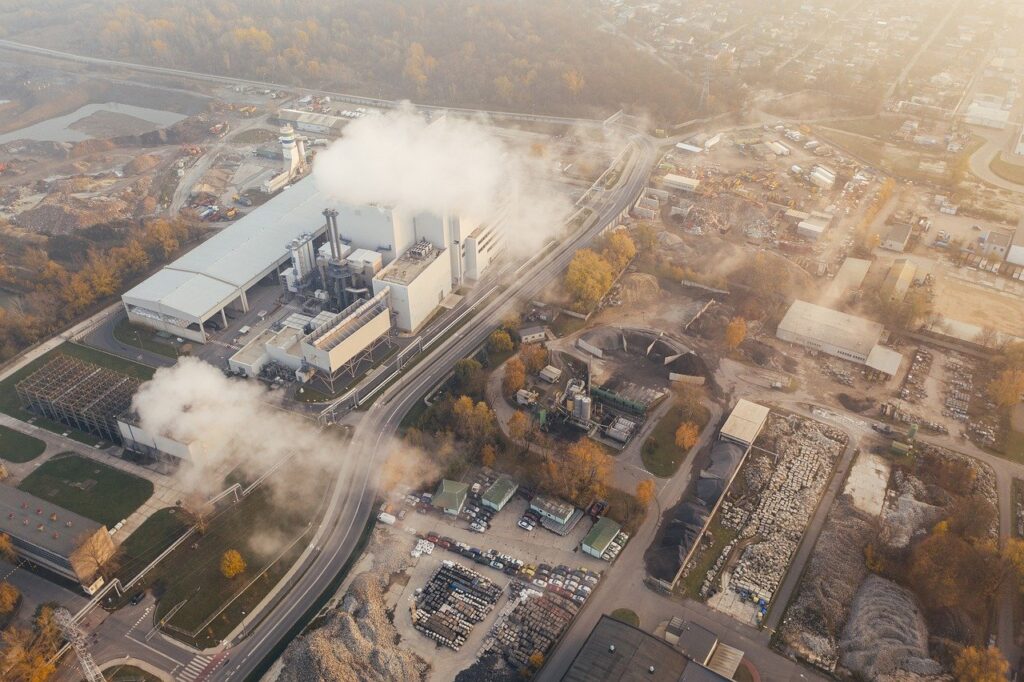
Texas has petroleum deposits that make up about one-fourth of the known U.S. reserves. Texas also leads in natural gas production, producing one-fourth of the nation’s supply. As of 2017, Texas emitted the most greenhouse gases in the U.S., almost twice the amount of California, the second-most polluting state. As an independent state, Texas would be the seventh-largest producer of greenhouse gases in the world. The state’s enormous number of coal power stations, as well as the state’s refining and manufacturing industries, are major contributors to the state’s massive greenhouse gas emissions.
- TEXAS LIVING ENVIRONMENT
Texas’ landscape is a relatively very flat open area. There are beautiful forested areas and rolling hills, and lakes, but Texas is not known for mountains, cliffs, dense forests, and ocean fronts. If you are fond of the beach or sea or looking for a nature adventure, you might find Texas living boring. Texas is a large state, which means intrastate travel can be challenging.
- TEXAS LIVING TAXES
Though Texas living has no corporate and personal taxes, the Property Taxes rate which ranges from 2.5% to 3% per year is higher than in many other states.
As per sales tax, cities and counties can levy this on top of the state rate, which results in hefty local sales taxes.
- TEXAS LIVING ROAD CONDITION
Traffic:
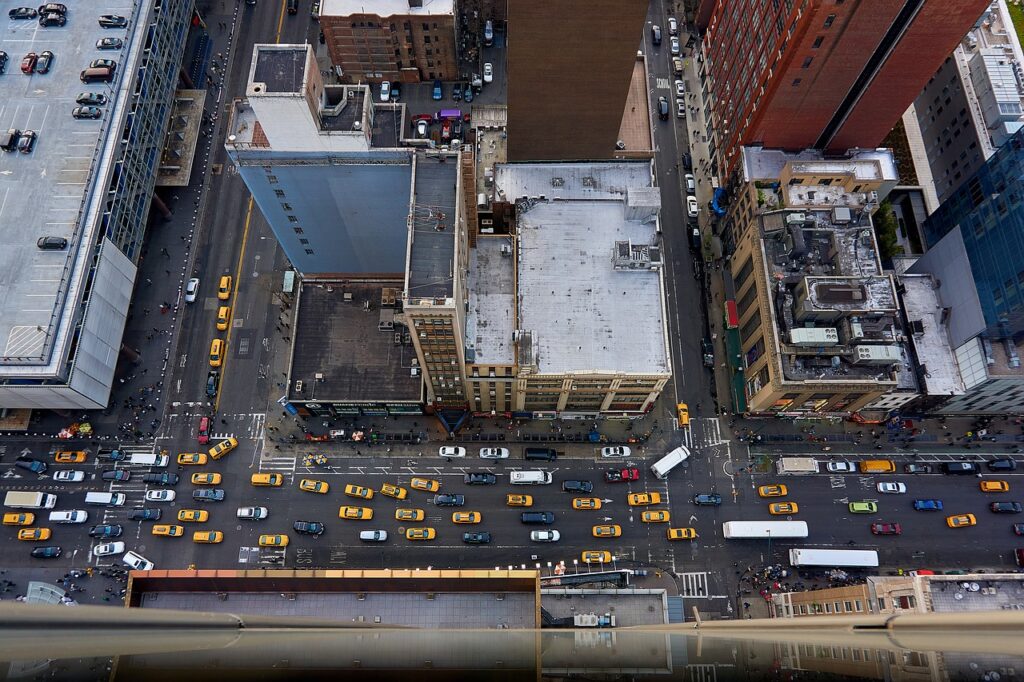
Texas living in big cities also means horrible traffic.
Aggressive Drivers:
Texas living on the road is fast driving. In the cities of Austin, Houston, and Dallas-Fort Worth, the maximum speed limit is 85 miles per hour, but the average driver drives around 15 miles over the speed limit. So, driving at 85 mph can end up in the slow lane. On the roadways, there are a lot of pick-up trucks traveling way too fast. If you always drive in the slow lane, or if you are a nervous driver, you should consider using uber or public transit instead. When you pull into the fast lane with your car at the wrong time and might scrape into another car, and if you manage not to be run over, you might get blinking lights, horns, fingers directed at you, or when they roll down the window they might yell at you about your sexuality.
Trucks as Texas Living:
Texas is a truck state. Trucks are ubiquitous in Texas.
- TEXAS LIVING IN WESTERN ATTIRE
People in Texas are tremendously pleased to be Texans. Daily, they wear large cowboy hats, large buckles, and gigantic cowboy boots and it is almost a requirement as part of Texas living.

Sources:
https://smartasset.com/mortgage/15-things-to-know-before-moving-to-texas
https://worldpopulationreview.com/state-rankings/most-dangerous-states