
In Texas, a quiet street can still bring daily surprises, from shifting weather to new construction next door. Managing common household challenges in Texas neighborhoods often starts with recognizing how fast conditions change.
Rapid growth strains utilities, traffic, and parking, while extreme heat pushes air conditioners, roofs, and landscaping harder than many owners expect. These pressures show up quickly in routine maintenance schedules and budgets.
High property taxes remain a frequent worry, especially when appraisals rise faster than wages. Homeowners also watch property values closely, since a single neglected yard or noisy renovation can affect how the block feels.
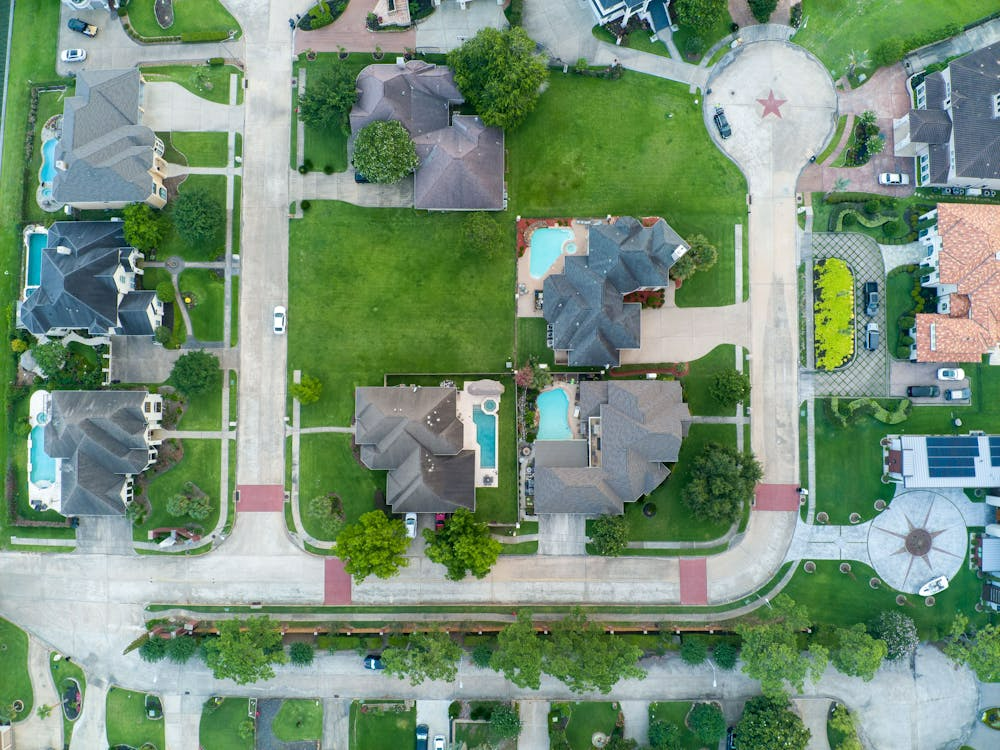
HOA rules add another layer, covering everything from fence staining to trash can storage. When expectations differ, small issues like pets, parties, or shared drainage can turn into neighbor disputes that linger.
Warm seasons also keep pests active, so ants, mosquitoes, and rodents become more than a nuisance around kitchens and garages. Many residents look for professional help to support prevention when infestations recur.
Taken together, these challenges shape how a home is cared for and how communities stay livable. Homeowners who understand the patterns can plan ahead, document problems early, and choose solutions that fit local conditions.
What Texas Homeowners Deal With Most Often
Texans face unique challenges tied to climate, rapid growth, and community dynamics. The combination of scorching summers, expanding suburbs, and diverse housing stock creates a distinct set of concerns that homeowners encounter regularly.
High property taxes, extreme heat, HOA compliance, and neighbor disputes rank among the top concerns for residents across the state. Each of these issues requires a different approach, yet they often overlap in ways that complicate daily life.
Understanding these challenges helps homeowners prepare proactive solutions rather than reacting to problems after they escalate. A leaky roof during a heatwave, for instance, becomes far more expensive when paired with an unexpected tax bill.
Pest management is another persistent household challenge in Texas due to the warm climate that keeps insects and rodents active year-round. Many homeowners turn to a Texas pest control company, Axiom when prevention efforts fall short and infestations threaten comfort or property integrity.
Maintenance demands also intensify under Texas conditions. HVAC systems work overtime, foundations shift with soil moisture changes, and exterior finishes fade faster than in milder climates. Recognizing these patterns early allows for better budgeting and scheduling.
Managing Property Tax Pressure in Texas
Texas homeowners often feel the squeeze because local governments rely heavily on property taxes to fund schools, roads, and services. Without a state income tax, property assessments carry more weight in household budgets.
The Tax Foundation places the state’s property tax rates ranking seventh highest in the United States, with average effective rates around 1.36%. Rising assessments can outpace household income, leaving families scrambling to cover annual bills.
When appraisals jump, homeowners can protest the assessed value each year through the county appraisal district. Good records matter: recent comparable sales, photos of needed repairs, and evidence of issues like drainage problems can support a lower value while still protecting long-term property values.
Practical ways to reduce the bite include claiming the homestead exemption for a primary residence and checking whether age or disability relief applies. Veterans, agricultural users, and those with solar improvements may qualify for additional exemptions.
Setting aside taxes monthly in a dedicated account helps even when the lender does not escrow. Tracking assessment notices and deadline dates on a calendar prevents missed protest windows that could cost hundreds of dollars.
Households that plan for a midyear bill also reduce stress. Reviewing the tax statement, escrow analysis, and insurance together shows how changes in property values affect overall housing costs.
Heat-Related Home Maintenance Demands

Extreme Texas heat accelerates wear on HVAC systems, roofing, and exterior finishes in ways that catch many homeowners off guard. Summer temperatures regularly exceed 100 degrees, pushing equipment and materials to their limits.
Regular AC maintenance prevents costly breakdowns during peak summer months when repair technicians are busiest. Changing filters monthly, clearing debris from outdoor units, and scheduling professional inspections in spring can extend system life significantly.
Foundation monitoring is critical due to soil expansion and contraction from heat cycles. Clay-heavy Texas soil shrinks during dry spells and swells after rain, creating movement that cracks walls and sticks doors. Consistent watering around the foundation perimeter helps stabilize moisture levels.
Seasonal maintenance schedules should account for Texas-specific climate patterns. Unlike northern states where winter dominates planning, Texas homeowners need to prepare for intense UV exposure, sudden storms, and prolonged drought conditions.
Addressing seasonal home maintenance tasks before summer arrives prevents emergency repairs when temperatures peak. Roof inspections, gutter cleaning, and weatherstripping checks all become more urgent under relentless sun.
Working Within HOA Rules and Regulations
Living in an HOA community offers benefits like maintained common areas and consistent neighborhood standards. However, the rules that preserve property values can also create friction when homeowners feel restricted or confused by requirements.
Understanding how your specific association operates makes compliance far easier. Each HOA has its own governing documents, fee structures, and enforcement practices that shape daily life in the community.
Staying Compliant Without the Headaches
In many Texas neighborhoods, an HOA sets shared standards that affect curb appeal, parking, and exterior maintenance. The fastest way to avoid friction is to read the governing documents soon after moving in, not after a notice arrives.
Most compliance problems come from misunderstanding HOA rules and regulations rather than intentional violations. Terms like “architectural review,” “limited common area,” or “approved materials” can change what seems like a simple repair into a formal process.
Saving a digital copy of the bylaws, declarations, and current policies allows for quick reference when questions arise. Checking deadlines for paint colors, fence repairs, holiday displays, and trash container storage prevents unnecessary violations.
Requesting written approval before visible changes and keeping emails and receipts creates a paper trail that protects both parties.
When Rule Enforcement Feels Unfair
Rule enforcement can feel inconsistent when neighbors appear to receive different treatment. Homeowners generally have the right to request the evidence behind a violation and to appeal through the process described by the Homeowners Association.
A constructive approach helps resolve disputes faster. Homeowners can ask for a hearing, bring photos or dated records, and propose a reasonable correction timeline that works for everyone involved.
Early, calm communication with the HOA board often prevents escalation and keeps the focus on solutions rather than personalities. If the issue persists, documenting interactions and attending meetings can clarify expectations and support consistent decisions across the community.
Resolving Neighbor Disputes Before They Escalate
Most neighbor disputes in Texas start small: a barking dog, a fence line question, or recurring smoke from a backyard fire pit. These minor annoyances can grow into lasting conflicts when left unaddressed.
Calm, direct communication focused on the specific behavior often resolves issues before they harden into personal conflict. A face-to-face conversation works better than a text message or note left on a door.
When the problem repeats, homeowners should document each incident with dates, times, photos, and a brief description. Records also help distinguish ordinary annoyances from safety concerns, such as the common household hazards that can spill across property lines.
Proposing a workable fix with a clear time frame shows good faith and often prompts cooperation. Following up in writing creates accountability without escalating tension.
Reviewing HOA rules for noise, parking, pets, or exterior changes provides a framework for discussion. Using the HOA’s complaint or mediation process when available adds structure to difficult conversations.
Local dispute resolution services offer another option, where a neutral mediator can help both parties reach agreement without a court filing. Keeping tone neutral and avoiding accusations helps preserve relationships even when agreement takes time.
Understanding local nuisance laws sets realistic expectations about what behavior crosses legal lines. If conduct unreasonably interferes with use and enjoyment of the home, legal advice may be appropriate, supported by documentation already gathered.
Dealing With Infrastructure Strain From Rapid Growth
Texas neighborhoods can feel the squeeze when population growth outpaces maintenance capacity. More cars wear down roads, new connections stress water and power lines, and shared amenities see heavier daily use than originally planned.
In communities with an HOA, reserve funds help cover long-term repairs that do not fit into a yearly operating budget. When the HOA board plans ahead, it can schedule pavement work, lighting upgrades, or pool equipment replacement before minor issues turn disruptive.
Homeowner engagement also shapes what gets fixed and when. Attending meetings and asking how projects are ranked provides insight into community priorities. Reviewing reserve studies or maintenance schedules when available helps residents understand the financial health of their association.
Reporting recurring issues such as drainage failures or streetlight outages with photos and dates creates documentation that supports repair requests.
Delinquent assessments undercut those plans significantly. When dues go unpaid, the community delays projects, shifts costs to paying members, or accepts temporary fixes that often cost more later. That strain shows up in daily inconvenience and declining property values over time.
Building a Stronger Texas Neighborhood
Proactive homeowners who track local risks, from taxes to pests, help steady property values even when conditions shift. Small maintenance choices and timely documentation keep household problems from spreading across the block.
Neighborhood communication matters just as much as individual effort. Clear, polite conversations with neighbors, HOAs, and city departments catch noise, drainage, or parking issues early before they become expensive disputes.
With that shared approach, Texas living keeps its benefits, including space, community pride, and long-term stability, while challenges stay manageable.
If you want to learn more about how to manage common household challenges in Texas neighborhoods, reach out to Jennifer Yoingco, REALTOR®, and her team, The Houston Suburb Group. They’ll help you get ready to EXPERIENCE LIVING IN HOUSTON TEXAS!
Download our FREEBIES here!
The Ultimate Home Buyer’s Guide
The Ultimate Home Seller’s Guide
Find us on YouTube!
#jenniferyoingcorealtor #jenniferyoingco #JenniferYoingcoTexas #houstonsuburb #houstonsuburbs #houstonsuburbgroup #texasrelocationexperts #HoustonRelocationExpert #HoustonRelocationSpecialist #NurseRelocationExpert #NurseRelocationSpecialist #newhomeconstruction #thehighlands #ravennahomes #ravennahomesforsale #ravennahomesrealtor #ravennahomesrealestateagent #springtexas #tomballtexas #livinginhoustontexas #livinginhouston #thewoodlandstexas #conroetexas #montgomerytexas #cypresstexas #newcaneytexas #portertexas #katytexas #pearlandtexas #richmondtexas #fulsheartexas #sugarlandtexas #houstontexas #magnoliatexas #hockleytexas #pinehursttexas #jerseyvillagetexas #humbletexas
