
Why a Home Inspection Report Matters
A professional home inspection report isn’t just a step in your home-buying process — it’s your roadmap to understanding the property’s condition and future upkeep. Whether you’re buying in Cypress, Katy, or The Woodlands, a detailed report helps you make smart financial and safety decisions before closing.
📋 Types of Home Inspection Reports
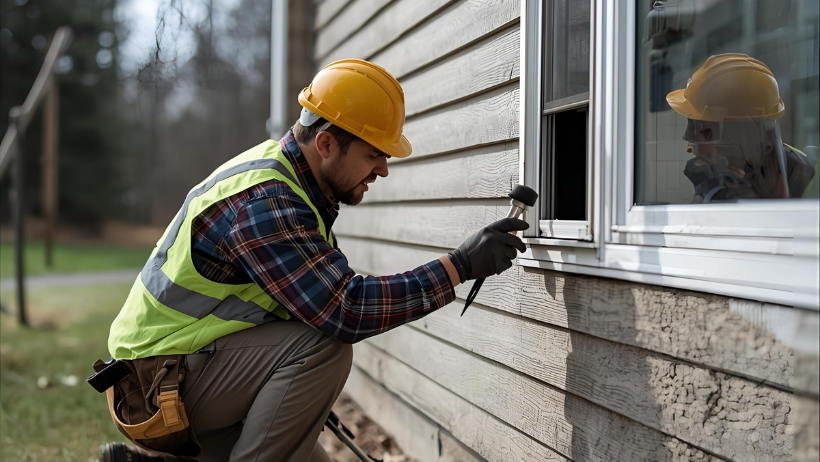
Not all home inspection reports look the same. Some inspectors use checklists, while others write narrative-style summaries that describe what they observed throughout the home. You might also see symbols or icons representing issues, depending on the inspector’s software.
No matter the format, the report should include a clear, descriptive breakdown of the property’s features and condition. For example, instead of saying “damage to door lintel,” a well-written report might specify “scuff marks with splintering on left side of door lintel.” That level of detail helps you understand the scope of work, if any, that may be needed.
💡 Pro Tip: Ask your inspector to include both positive and negative observations. It gives a more balanced view of the home and helps you appreciate its strengths, not just its flaws.
👀 Who Reads a Home Inspection Report?
While homebuyers are the main audience, others may also need to review it:
- Sellers: If the buyer requests repairs or decides to back out, sellers may need a copy for disclosure or refunding earnest money.
- Agents: Depending on state law, your buyer’s and seller’s agents may receive a copy to help with negotiations.
- You — the Buyer: Ultimately, it’s your responsibility to understand the report and how each issue may affect your purchase.
🚫 Avoid sending your inspection report to your lender. It could trigger additional underwriting requirements or delay your loan approval.
🔍 Evaluating the Home Inspection Report
Whenever possible, attend the inspection in person. Walking through the home with your inspector gives you first-hand insight you won’t get from reading a PDF later.
As you review the report, ask yourself:
- Are the issues reflected in the asking price?
- Which items need immediate repair, and which can wait?
- Are any findings deal-breakers?
- Do you need a specialist (roofer, HVAC tech, plumber) for further evaluation?
Your inspector should be willing to clarify findings and explain what’s considered normal wear and tear versus a potential red flag.
🧰 After You Buy: Keep That Report Handy
Don’t toss your home inspection report once the deal closes. It’s a valuable maintenance guide that can help you track what needs attention over time — from minor repairs to annual service tasks.
Many Houston homeowners use their inspection summary as a checklist for seasonal maintenance or when budgeting for upgrades. This can be especially useful for homes in older neighborhoods like Oak Forest or Spring Branch, where routine upkeep protects long-term value.
🏡 The Houston REALTOR®’s Take
A clear, thorough inspection report helps prevent costly surprises after closing. It also gives you negotiation leverage — whether it’s requesting repairs, asking for seller credits, or deciding to walk away.
At The Houston Suburb Group, we guide our clients through every step — from scheduling trusted inspectors to interpreting the results. Our goal is to help you feel confident about your purchase and your future home.
✅ Key Takeaways
- Always attend your home inspection if possible.
- Ask your inspector for clear, descriptive language in the report.
- Use the report for negotiations and long-term maintenance.
- Don’t share the report with your lender.
- Keep it as a living reference for your home’s upkeep.
Click Home Inspection Checklist for a pdf copy of our comprehensive guide for what a home inspector is looking for.
Need help understanding your inspection report or next steps? Reach out to Jennifer Yoingco, REALTOR®, and her team, The Houston Suburb Group. They’ll help you get ready to EXPERIENCE LIVING IN HOUSTON TEXAS!
💬 FAQs
Q1: How long does a home inspection take in Houston?
Most inspections take 2–3 hours, depending on the home’s size and condition.
Q2: What does a standard home inspection include?
It typically covers roof, foundation, electrical, plumbing, HVAC, and structural systems — but not cosmetic issues.
Q3: Should I get a specialized inspection?
If your inspector notes concerns (like foundation movement or roof damage), it’s smart to bring in a licensed specialist for further evaluation.
Q4: Can I use the inspection report to negotiate repairs?
Absolutely. Buyers often request repairs or credits based on the findings before closing.
Q5: How much does a home inspection cost in Houston?
Expect to pay $350–$600, depending on home size and optional add-ons (pool, septic, etc.) [VERIFY].
Download our FREEBIES here!
The Ultimate Home Buyer’s Guide
The Ultimate Home Seller’s Guide
Find us on YouTube!
#jenniferyoingcorealtor #jenniferyoingco #JenniferYoingcoTexas #houstonsuburb #houstonsuburbs #houstonsuburbgroup #texasrelocationexperts #HoustonRelocationExpert #HoustonRelocationSpecialist #NurseRelocationExpert #NurseRelocationSpecialist #newhomeconstruction #thehighlands #ravennahomes #ravennahomesforsale #ravennahomesrealtor #ravennahomesrealestateagent #springtexas #tomballtexas #livinginhoustontexas #livinginhouston #thewoodlandstexas #conroetexas #montgomerytexas #cypresstexas #newcaneytexas #portertexas #katytexas #pearlandtexas #richmondtexas #fulsheartexas #sugarlandtexas #houstontexas #magnoliatexas #hockleytexas #pinehursttexas #jerseyvillagetexas #humbletexas
