
Fall and winter tend to bring a noticeable increase in home fires. We cook more around the holidays, burn more candles, plug in more décor, and place more flammable items near space heaters, fireplaces, and that beautiful (but very dry) holiday tree.
According to the National Fire Protection Association (NFPA), hundreds of thousands of home structure fires occur in the U.S. each year, leading to thousands of deaths and billions of dollars in property damage. While the exact numbers change from year to year, the financial impact per household can be significant.
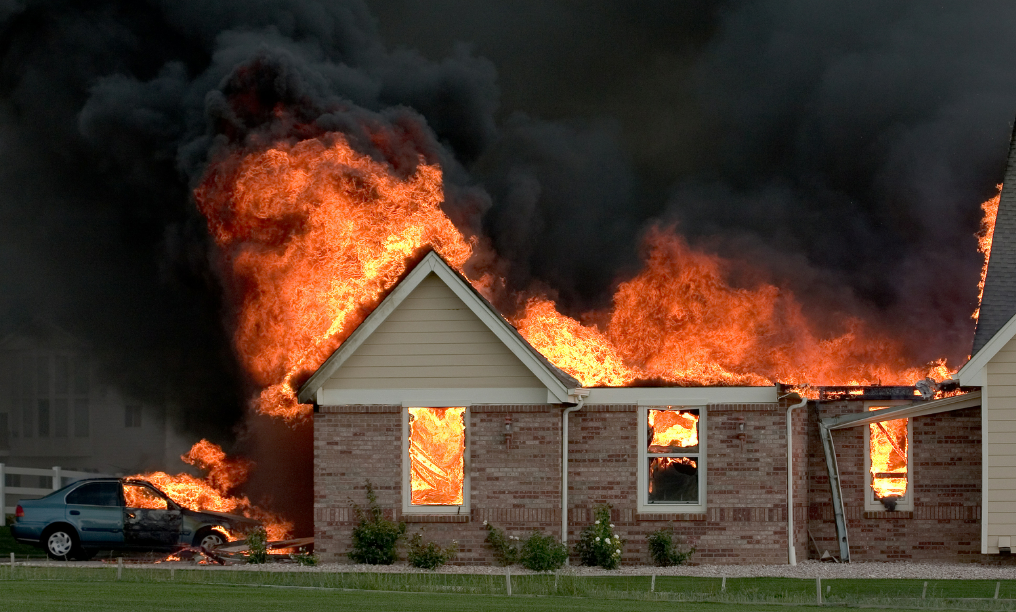
A home fire is devastating both emotionally and financially. The worst time to discover that you don’t have enough insurance is after a fire. Taking 20–30 minutes now to review your policy can give you real peace of mind.
Does homeowners insurance cover fire?
In most cases, yes. A standard homeowners insurance policy (HO-3 or similar) typically covers:
- Damage to the structure of your home caused by fire and smoke
- Attached structures, such as an attached garage or deck
- Personal property inside the home damaged by flames, smoke, or water used to put out the fire
- Additional living expenses (ALE) if you need to live elsewhere while your home is being repaired (hotel stays, short-term rentals, some extra food and transportation costs — up to the policy limit)
Coverage details vary by company and state, so always review your specific policy or speak with your insurance agent.
When might a fire not be covered?
There are two big situations where a fire claim may be denied under a standard homeowners policy:
1. Fire in a vacant home
Most insurers treat a home as “vacant” if no one has been living there for about 30 days (this can vary by policy). If you:
- Move out before your home sells
- Own a second home that sits empty
- Have a seasonal property that’s unoccupied for long stretches
…your standard policy may not fully cover a fire loss.
In these situations, insurers often require a vacant home endorsement or a separate vacant home policy. This is an add-on that specifically covers properties that sit empty.
Action step:
- Check your policy or call your agent and ask:
- “How many days can my home be unoccupied before it’s considered vacant?”
- “Do I need vacant home coverage for this property?”
If the insurer doesn’t offer this coverage, you may need to explore a specialty carrier.
2. Arson and intentional acts
If a fire is intentionally set, it becomes a legal and insurance issue known as arson. This is a criminal offense and can also be considered insurance fraud when the goal is to collect a claim.
Whenever you report a home fire, your insurance company will typically send an investigator or adjuster to determine the cause. If the investigation finds that the fire was intentionally set by the homeowner or at their direction, the claim will almost certainly be denied and legal consequences may follow.
How much homeowners insurance coverage do you really need for a fire?
The maximum amount an insurance company will pay for a covered loss is called your policy limit. These limits are set for:
- The dwelling (your home’s structure)
- Other structures (fence, detached garage, shed)
- Personal property (your belongings)
- Additional living expenses (ALE)
Since every household and every home is different, the right amount of coverage varies. When you review your policy, focus on two main areas:
1. The home itself: Can you rebuild at today’s costs?
One of the biggest mistakes homeowners make is assuming that their coverage should match the current market value of the home. In reality, insurance should focus on rebuilding cost, not what your home might sell for.
The Insurance Information Institute (III) notes that the purchase price or current market value of a home can be higher or lower than the actual cost to rebuild, and policies based solely on loan amounts may leave owners underinsured.
Construction and labor costs can change quickly. If you haven’t updated your policy in several years — especially after major renovations — it’s a good idea to call your agent and ask for a replacement cost estimate.
Questions to ask your agent:
- Is my dwelling coverage based on replacement cost or actual cash value?
- When was my rebuild estimate last updated?
- Have my recent upgrades (kitchen remodel, room addition, new flooring, etc.) been factored into that estimate?
Your goal is to be sure you can rebuild a home of similar size and quality at today’s prices, not what things cost years ago.
2. Your personal property: Would you be able to replace your “stuff”?
In a home fire, it’s rarely just the walls and roof that suffer damage. Furniture, clothing, electronics, décor, appliances, and keepsakes can be ruined by:
- Direct flames
- Smoke
- Heat
- Water from hoses or sprinkler systems
To know if you have enough personal property coverage, you first need a clear picture of what you own.
Take a quick home inventory
If you haven’t created a home inventory yet, put it on your to-do list soon. It doesn’t have to be perfect. You can:
- Walk room-to-room with your phone and shoot a slow video
- Take photos of closets, drawers, cabinets, and the garage
- Keep digital copies of important receipts for big-ticket items
Many insurers and state agencies provide free worksheets and inventory apps you can use. If you’re not sure where to start, your insurance company’s website is a great first stop.
Once you have an inventory, compare the total estimated value of your belongings to the personal property limit on your policy. If it seems low, ask about increasing that limit.
Also, be aware that some categories — such as jewelry, collectibles, art, musical instruments, or high-value electronics — may have sub-limits. If you own items that exceed those limits, ask about scheduled personal property or a personal articles policy to properly insure them.
Fire safety upgrades that may lower your premium
Insurance companies like homes that are better protected. Not only do these features help keep you safer, but some may earn you a discount on your homeowners policy (varies by company and state):
- Working smoke detectors on every level of the home
- A centrally monitored fire or security alarm
- Fire-resistant roofing or building materials
- An indoor sprinkler system
- Multiple ABC-rated fire extinguishers placed in the kitchen, laundry area, and garage
Ask your agent which safety features qualify for discounts and whether you’re getting full credit for protections you already have.
Simple checklist: Review your home fire coverage this week
You don’t have to become an insurance expert. Just use this quick checklist:
- Find your policy (or log in to your online account).
- Confirm that fire and smoke are listed as covered perils.
- Look at your dwelling limit and ask your agent if it’s enough to rebuild at today’s costs.
- Review your personal property limit and consider whether you could realistically replace your belongings after a total loss.
- Ask about vacant home rules if you plan to move out before selling or have a seasonal property.
- Check whether you’re getting all possible discounts for smoke detectors, alarms, sprinklers, or other fire-safety upgrades.
Taking these steps now can make a huge difference if a fire ever happens at your home.
When you’re planning to buy or sell, understanding your coverage is part of protecting your investment. Reach out to Jennifer Yoingco, REALTOR®, and her team, The Houston Suburb Group. They’ll help you get ready to EXPERIENCE LIVING IN HOUSTON TEXAS!
FAQs
1. Does homeowners insurance always cover fire damage?
In most cases, yes. Standard homeowners policies typically cover fire and smoke damage to the structure of your home, your belongings, and additional living expenses if you can’t live in the home during repairs. Exclusions can apply, such as intentional acts (arson) or certain vacant home situations, so it’s important to review your individual policy.
2. What if my home is vacant when a fire happens?
Many insurers treat a home as “vacant” after about 30 days with no one living there. Fire damage to a vacant property may not be fully covered unless you have a vacant home endorsement or a separate vacant home policy. Check your policy’s vacancy clause and speak with your agent before the home sits empty.
3. How do I know if I have enough coverage to rebuild my home?
Ask your insurance agent for a current replacement cost estimate for your home. Your dwelling coverage should be based on what it would cost to rebuild the home at today’s labor and material prices, not on your purchase price or loan amount. If you’ve remodeled or added square footage, make sure those updates are reflected in your coverage.
4. Are my belongings covered if they’re destroyed by smoke or water, not just flames?
Yes, in a typical homeowners policy, personal property is covered for fire damage, including damage from smoke, heat, and water used to put out the fire. Your claim may be subject to your personal property coverage limit and your deductible.
5. What high-value items might need extra coverage?
Items like jewelry, collectibles, art, certain electronics, and musical instruments may have lower sub-limits under a standard policy. If you have valuables that exceed those limits, ask your agent about scheduling those items or adding a personal articles policy so they’re insured for their full value.
6. Can fire-safety upgrades lower my homeowners insurance premium?
Often, yes. Features like centrally monitored alarms, fire-resistant roofing, indoor sprinklers, and multiple smoke detectors may qualify for discounts, depending on your insurer and state. Ask your agent which upgrades are recognized and whether you’re getting full credit for protections already in place.
Download our FREEBIES here!
The Ultimate Home Buyer’s Guide
The Ultimate Home Seller’s Guide
Find us on YouTube!
#jenniferyoingcorealtor #jenniferyoingco #JenniferYoingcoTexas #houstonsuburb #houstonsuburbs #houstonsuburbgroup #texasrelocationexperts #HoustonRelocationExpert #HoustonRelocationSpecialist #NurseRelocationExpert #NurseRelocationSpecialist #newhomeconstruction #thehighlands #ravennahomes #ravennahomesforsale #ravennahomesrealtor #ravennahomesrealestateagent #springtexas #tomballtexas #livinginhoustontexas #livinginhouston #thewoodlandstexas #conroetexas #montgomerytexas #cypresstexas #newcaneytexas #portertexas #katytexas #pearlandtexas #richmondtexas #fulsheartexas #sugarlandtexas #houstontexas #magnoliatexas #hockleytexas #pinehursttexas #jerseyvillagetexas #humbletexas
